
insulated window panels
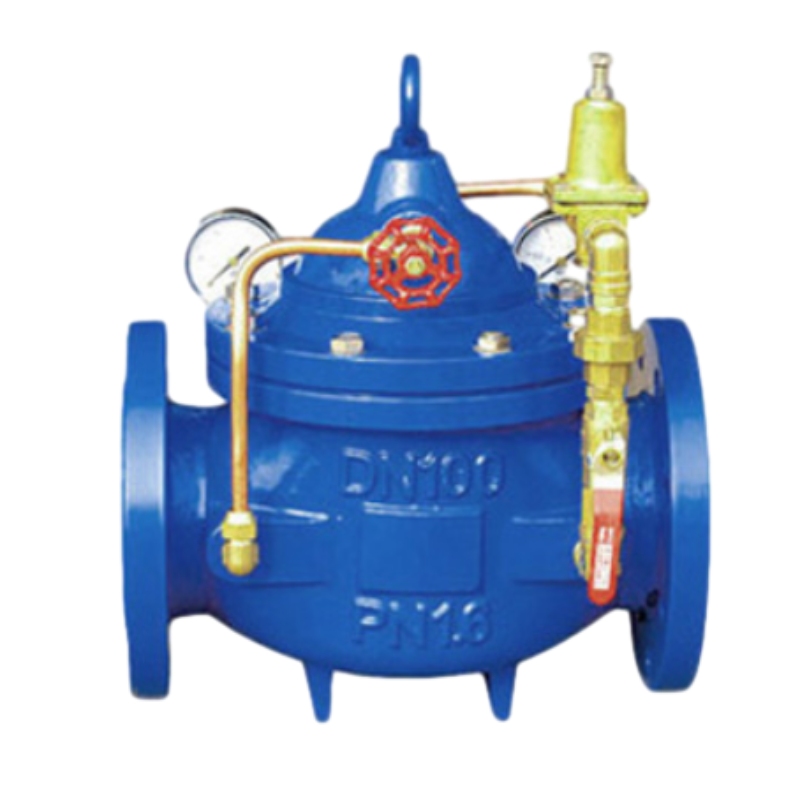
Het Belang van Keer- en Afsluitkleppen in de Loodgieterij In de wereld van de loodgieterij zijn er verschillende soorten kleppen die een cruciale rol spelen in het reguleren van de stroom van water en andere vloeistoffen. Onder deze kleppen zijn de keer- en afsluitkleppen, die vaak worden gebruikt in waterleidingssystemen, verwarming, en industriële toepassingen. In dit artikel zullen we de functie, voordelen en toepassingen van deze kleppen in de loodgieterij bespreken. Wat is een Keerklep? Een keerklep, ook wel terugslagklep genoemd, is een apparaat dat ervoor zorgt dat vloeistof in slechts één richting kan stromen. Dit is essentieel om te voorkomen dat water terugstroomt in een leiding, wat kan leiden tot schade aan het systeem of vervuiling van het water. Keerkleppen worden vaak gebruikt in pompsystemen, waar de druk kan variëren en terugstroming ernstig nadelige gevolgen kan hebben. Wat is een Afsluitklep? Een afsluitklep, ofwel stopklep, is een soort klep die de stroom van vloeistof kan stoppen of toestaan door de opening te reguleren. Dit type klep is cruciaal in elk loodgietersysteem, omdat het in staat is om een sectie van het systeem af te sluiten voor onderhoud of bij een lek. Afsluitkleppen zijn vaak te vinden in leidingen die naar wastafels, toiletten en boilers leiden. Voordelen van Keer- en Afsluitkleppen 1. Bescherming van het systeem Keerkleppen voorkomen de terugstroom van water, wat kan leiden tot verontreiniging of schade aan apparatuur. Dit is vooral belangrijk in industriële toepassingen waar verschillende vloeistoffen worden gebruikt. 2. Eenvoudig onderhoud Met afsluitkleppen kunnen loodgieters snel een sectie van het systeem afsluiten zonder het gehele systeem leeg te laten lopen. Dit bespaart tijd en verlaagt de kans op waterschade. gate valve in plumbing 3. Verbeterde levensduur van apparatuur Door de juiste kleppen te gebruiken, kunnen systemen efficiënter functioneren, wat de levensduur van pompen en andere apparatuur verlengt. 4. Kostenbesparing Door te voorkomen dat er waterschade optreedt of dat apparatuur defect raakt, kunnen kosten voor reparatie en vervanging aanzienlijk worden verminderd. Toepassingen in de Loodgieterij Keerkleppen en afsluitkleppen worden in veel verschillende toepassingen gebruikt - Huishoudelijke systemen In woningen zijn deze kleppen te vinden in leidingen die naar kranen en verwarmingstoestellen leiden. Ze helpen de druk te reguleren en beschermen tegen terugstroom. - Industriële toepassingen In de industrie zijn keerkleppen essentieel voor het bedienen van pompen en tanks. Ze zorgen ervoor dat gevaarlijke stoffen niet terug de systemen in kunnen lopen. - Agrarische sector In de landbouw worden deze kleppen gebruikt voor irrigatiesystemen om ervoor te zorgen dat water alleen in de gewenste richting stroomt, wat de efficiëntie van watergebruik verbetert. Conclusie Keer- en afsluitkleppen zijn onmisbaar in de loodgieterij. Ze bieden niet alleen bescherming tegen terugstroming en waterschade, maar maken ook onderhoud en reparaties eenvoudiger. Het is belangrijk om de juiste kleppen te selecteren op basis van de specifieke behoeften van elk systeem. Zowel voor huishoudelijk gebruik als in industriële toepassingen dragen deze kleppen bij aan de algehele efficiëntie en veiligheid van waterleidingssystemen. Door bewust te kiezen voor de beste kleppen, kunnen zowel professionals als huiseigenaren de levensduur van hun leidingen en apparatuur verlengen en onnodige kosten vermijden. Het belang van een goed functionerend kleppensysteem kan niet genoeg benadrukt worden in de moderne loodgieterij.
about
insulated window panels
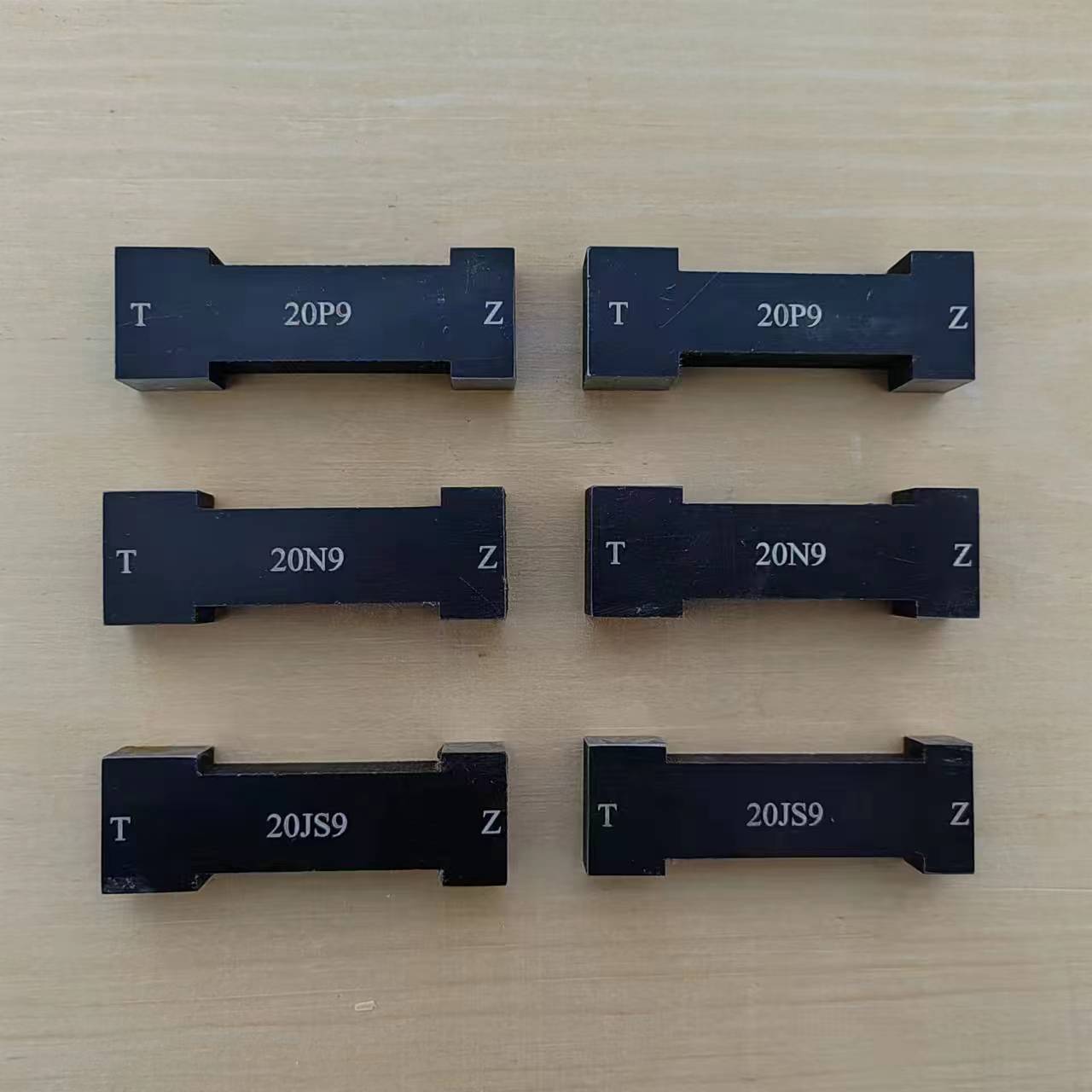
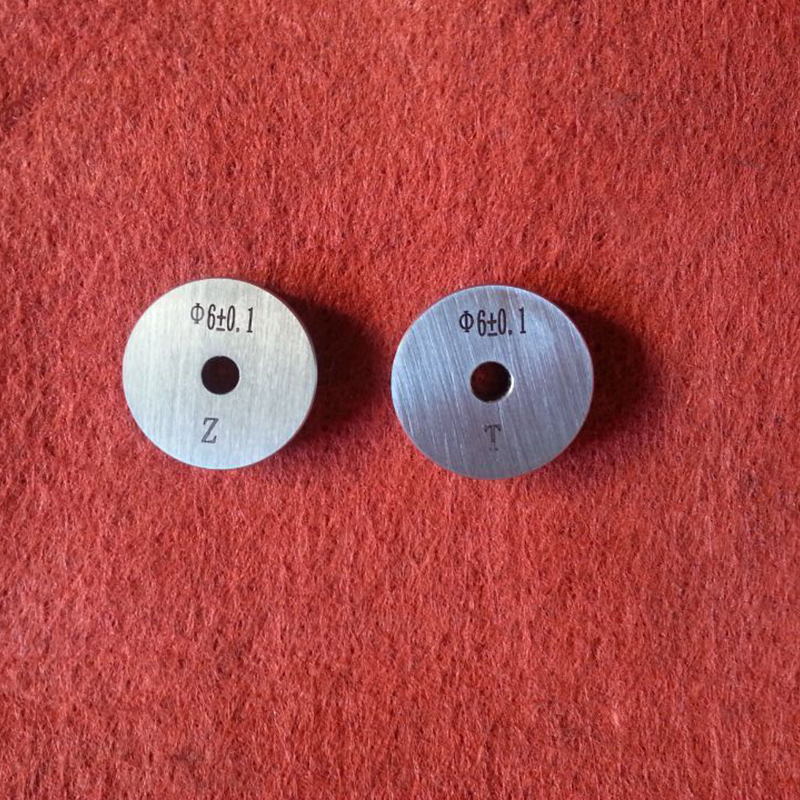
Industrial gauges are the backbone of precision measurement in sectors ranging from aerospace to energy production. Their reliability hinges on meticulous material selection , which directly impacts their performance in extreme environments. This article explores the interplay between different measuring tools , engineering measuring tools , and industrial measurement tools , focusing on how gauge measurement tool designs address durability challenges. From advanced alloys to innovative coatings, we dissect the science behind materials that withstand corrosion, abrasion, and thermal stress while maintaining metrological integrity. Different Measuring Tools: Material Adaptability Across Applications The diversity of different measuring tools —from calipers to laser scanners—demands tailored material strategies. For instance, calipers used in high-humidity environments often employ stainless steel with chromium additives to resist oxidation, while laser-based engineering measuring tools may incorporate lightweight titanium alloys for portability without sacrificing structural integrity. In extreme temperatures, materials like tungsten carbide or advanced copper-tantalum-lithium alloys (Cu-3Ta-0.5Li) demonstrate exceptional thermal stability, maintaining dimensional accuracy even near melting points. Such alloys mimic the strengthening mechanisms of nickel-based superalloys, offering creep resistance ideal for aerospace components. Surface treatments, such as electroless nickel plating, further enhance wear resistance in gauge measurement tools exposed to abrasive conditions. Emerging trends include the use of ceramic-matrix composites in calipers for high-temperature foundries, where traditional metals would warp or degrade. Engineering Measuring Tools: Balancing Precision and Environmental Resilience Engineering measuring tools like coordinate measuring machines (CMMs) and optical strain systems rely on materials that minimize thermal expansion. Aluminum alloys with silicon carbide reinforcements are popular for their low coefficient of thermal expansion, ensuring accuracy in fluctuating temperatures. For non-contact optical systems, corrosion-resistant coatings on lenses and sensors prevent degradation in humid or chemically aggressive settings. The integration of digital image correlation (DIC) technology in industrial gauges highlights the need for materials with stable surface textures. Stainless steel or anodized aluminum substrates ensure consistent speckle patterns for strain analysis, even under dynamic loads. Additionally, polymers like polyether ether ketone (PEEK) are gaining traction in handheld engineering measuring tools due to their electrical insulation properties and resistance to chemical exposure. For example, PEEK-based micrometers are increasingly used in petrochemical plants where hydrocarbon exposure would degrade conventional plastics. Gauge Measurement Tool: Material Innovations for Extreme Conditions Gauge measurement tools operating in harsh environments—such as offshore oil rigs or chemical plants—require materials that withstand corrosion, pressure, and thermal cycling. Duplex stainless steels, combining austenitic and ferritic structures, offer superior chloride resistance, making them ideal for marine applications. For high-stress scenarios, such as turbine blade inspections, industrial gauges leverage ceramic-matrix composites. These materials retain hardness at elevated temperatures while resisting oxidation, outperforming traditional steel alloys. In nuclear facilities, zirconium alloys are preferred for their low neutron absorption and radiation resistance, ensuring long-term stability in industrial measurement tools . Recent advancements include graphene-infused polymers for lightweight, conductive gauges used in electrostatic-sensitive environments like semiconductor cleanrooms. Industrial Measurement Tools: Durability Through Advanced Material Science The longevity of industrial measurement tools hinges on strategic material pairings. For example, carbide-tipped probes in dimensional gauges resist wear in high-contact applications, while their steel bodies provide cost-effective structural support. In cryogenic environments, nickel-based superalloys prevent brittle fracture, maintaining ductility at subzero temperatures. Surface engineering plays a pivotal role. Laser-clad coatings on industrial gauges enhance hardness without compromising bulk material toughness, ideal for mining equipment exposed to particulate abrasion. Similarly, hydrophobic coatings on electronic engineering measuring tools mitigate moisture ingress, preserving circuitry in humid settings. Innovations like self-healing coatings—activated by minor scratches—are being tested to extend the service life of gauge measurement tools in remote or inaccessible installations. FAQS: Material Selection for Industrial Gauges How do material choices affect the accuracy of different measuring tools in high-temperature environments? Materials with low thermal expansion coefficients, such as Invar or silicon carbide-reinforced aluminum, minimize dimensional drift in engineering measuring tools . High-temperature alloys like Cu-Ta-Li also resist creep, ensuring stable measurements during prolonged heat exposure. Why are composite materials gaining popularity in gauge measurement tool designs? Composites combine properties like lightweight durability and corrosion resistance, critical for industrial measurement tools in aerospace and marine sectors. Carbon-fiber-reinforced polymers, for instance, reduce weight while maintaining stiffness, enabling portable yet robust gauges for fieldwork. What material factors ensure the longevity of industrial gauges in corrosive settings? Chromium-rich stainless steels, titanium alloys, and corrosion-resistant coatings (e.g., PTFE) form passive oxide layers, shielding industrial gauges from chemical attack. Regular maintenance, such as ultrasonic cleaning, further prevents pitting and surface degradation. How do surface treatments enhance the performance of engineering measuring tools? Treatments like nitriding or diamond-like carbon (DLC) coatings reduce friction and wear in gauge measurement tools , extending service life in abrasive environments. These layers also improve resistance to galling in threaded gauges. Can industrial measurement tools maintain precision under vibrational loads? Damping materials such as magnesium alloys or viscoelastic polymers absorb vibrations, ensuring stability in engineering measuring tools used in heavy machinery. Structural designs with reinforced ribs or honeycomb cores further mitigate resonance effects. By aligning material science with operational demands, engineers can optimize industrial gauges for resilience and precision. From alloy innovation to surface engineering, these strategies ensure that industrial measurement tools meet the rigors of modern industry while advancing measurement accuracy. As industries push into harsher environments—from deep-sea exploration to space manufacturing—the evolution of materials will remain central to the next generation of gauge measurement tool reliability.
-

High quality industrial productsagement

High quality industrial products
View Details -

Meet the diverse needs of customers

Meet the diverse needs of customers
View Details -

Strict quality control

Strict quality control
View Details -

Top raw materials

Top raw materials
View Details -

Trusted supplier

Trusted supplier
View Details
Our application


news and information

Vanne à boule Fisher pour des applications industrielles et de contrôle de flux
La vanne à globe Fisher un choix stratégique pour l'industrie Dans un monde où l’efficacité et la f
welding table cast iron
The Importance of Welding Tables in Cast Iron Fabrication Welding is an essential process in metalwo

use of parallel ruler
The Use of Parallel Rulers An Essential Tool in Precision Measurement In various fields ranging from
 English